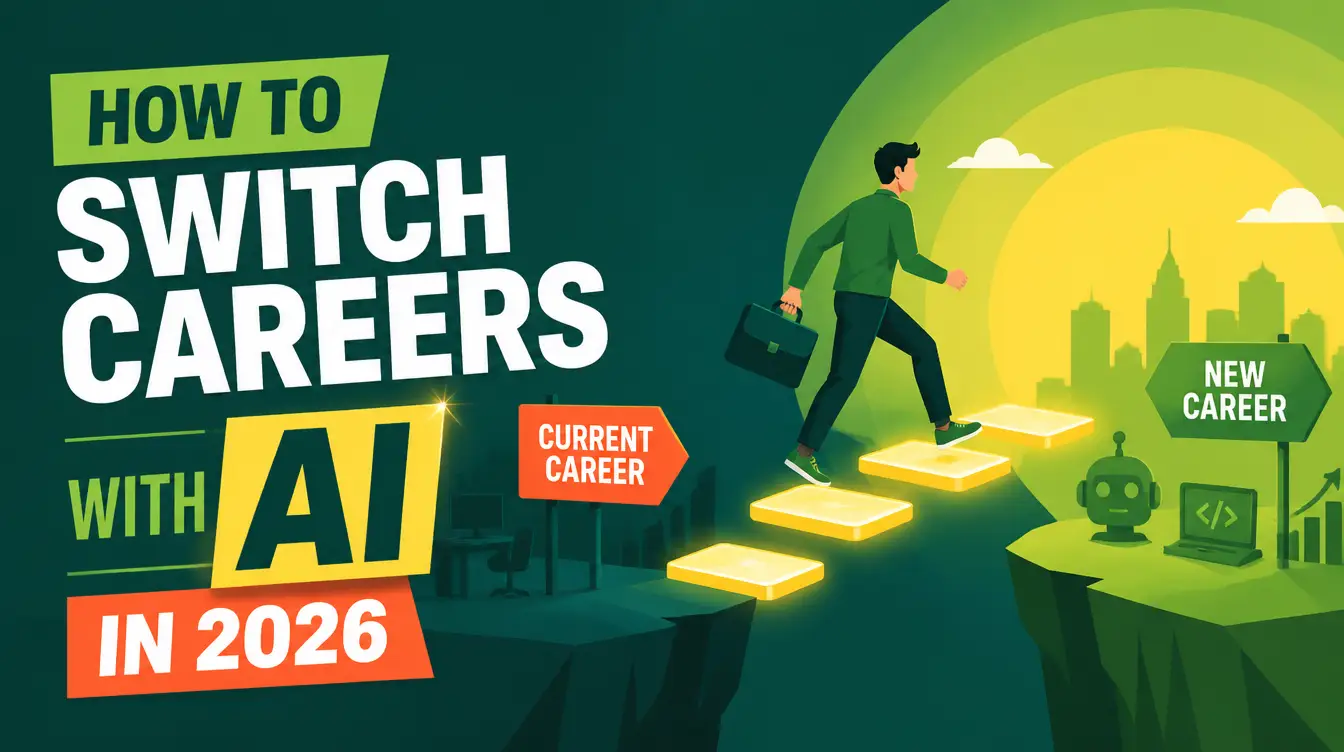
Career changes rarely fail because someone lacks the ability. They fail because the person's paperwork still tells the old story. A recruiter spends a few seconds on a CV, sees seven years of the wrong job title, and moves on — no matter how ready the person behind the CV actually is. Learning how to switch careers with AI fixes exactly this: it rebuilds the story first, then the documents, then the interview performance, so every piece points at the job you want instead of the job you left. The five-step plan below runs on three skills, all free.
If skills are new to you, what is an AI skill? covers the basics — a downloaded workflow your AI agent runs the same way every time.
Why do most career changes stall in the first week?
Because people start with job applications instead of positioning. Applying with an unpositioned CV means competing for the new role with evidence from the old one, which reads as a mismatch. The fix is order of operations: decide the target, translate your experience into its language, rebuild the profile, and only then apply — rehearsed. Each of those steps is exactly what a well-built skill does.
What is the 5-step plan for switching careers with AI?
- Pick one target role — not "something better," one specific title with real openings.
- Reposition your CV with CareerLens so your experience reads as preparation, not detour.
- Rebuild your LinkedIn profile around the same new story, in the same words.
- Rehearse the interview out loud with a mock interviewer until the story sounds natural spoken, not just written.
- Iterate: every real interview reveals a weak answer — fix it, rehearse again, apply again.
How does CareerLens reposition a CV for a different field?
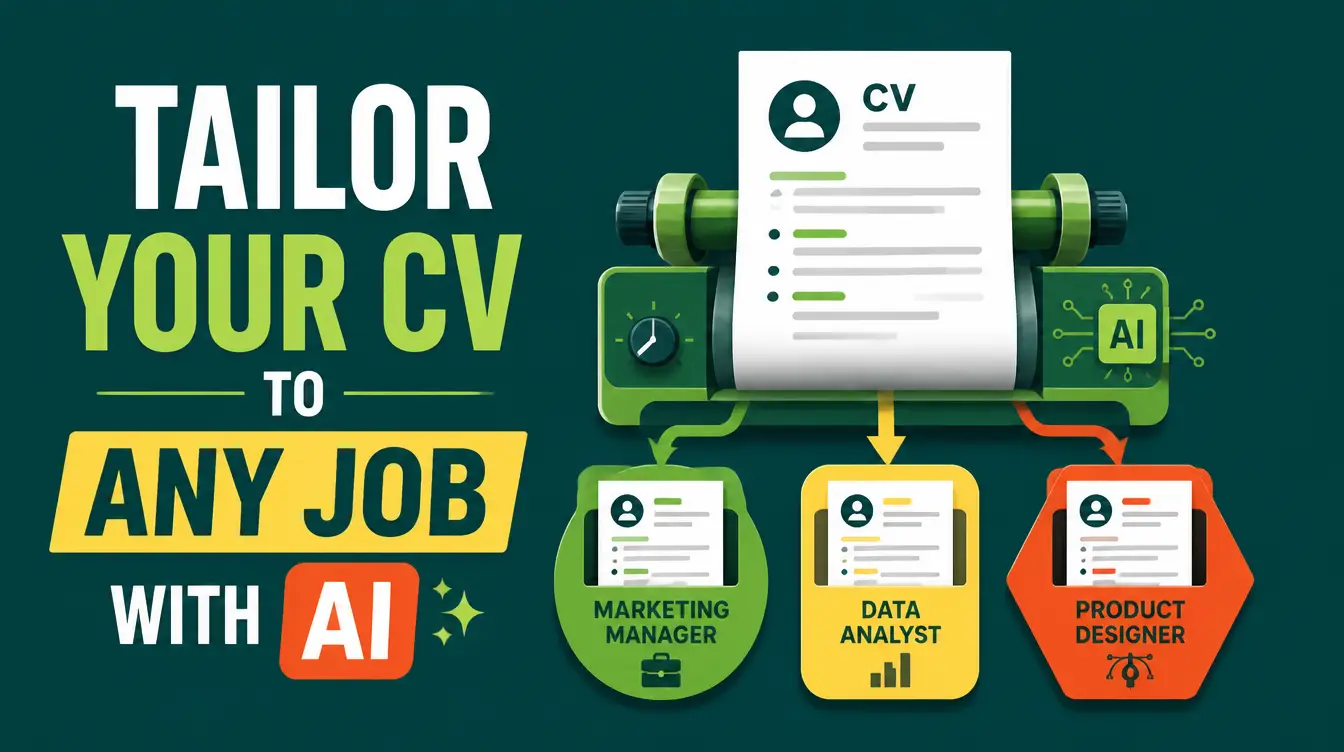
CareerLens is a CV coach and career positioning expert: it works on the gap between the job you have and the job you want. Instead of decorating your old job titles, it reframes your achievements in the language of the target role, so a recruiter scanning for the new field sees relevant evidence in the first half of the page. The full walkthrough is in CareerLens: the AI CV coach that positions you for the job you want.
How do you practice interviews without begging favors?
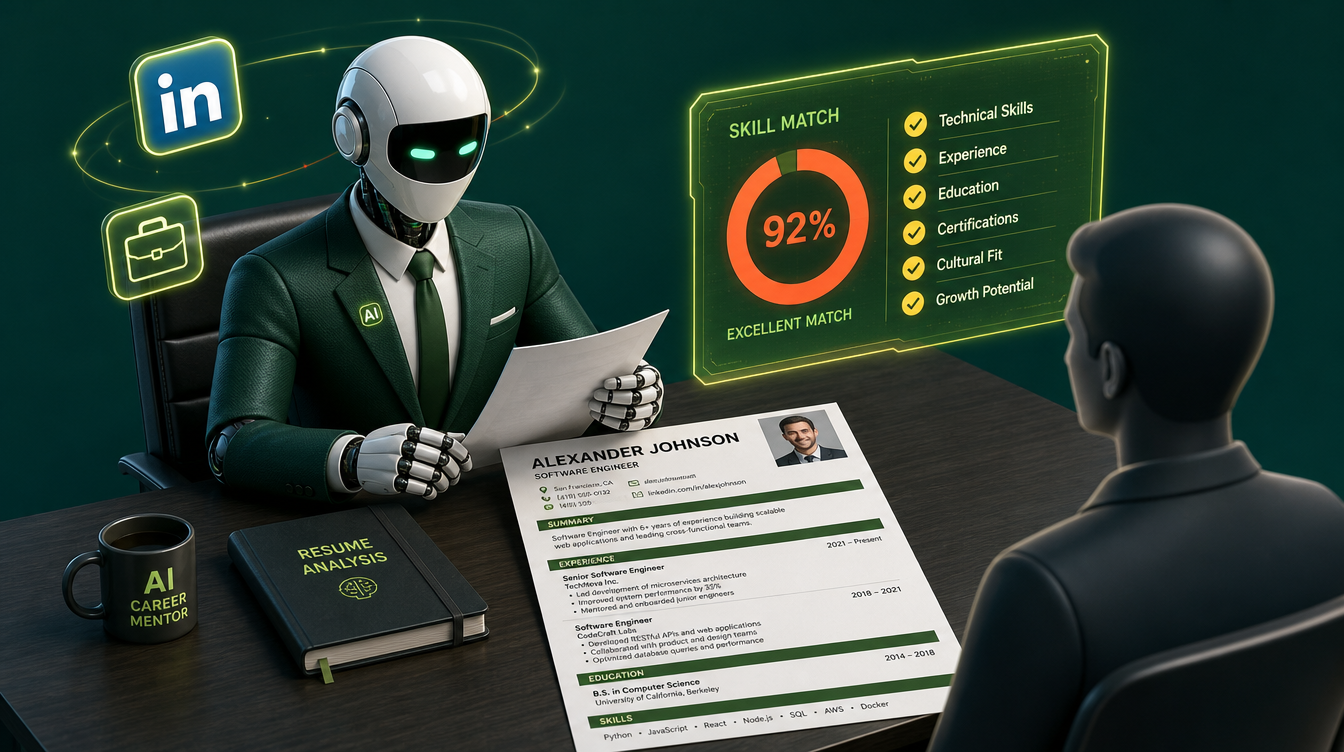
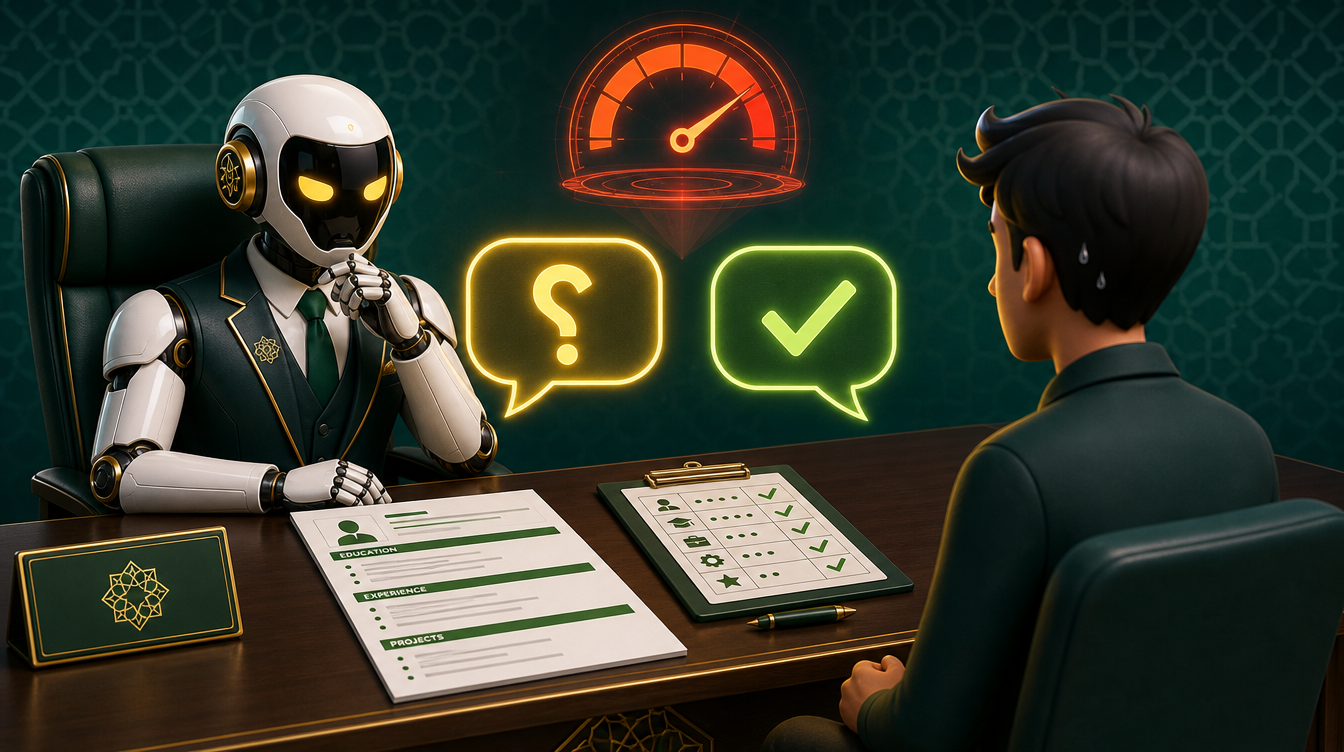
You use the Arabic Interview Coach, a professional mock interviewer that runs realistic interviews and presses you on the weak spots a friend would politely skip. Career switchers get the hardest interview question of all — "why the change?" — and the honest answer needs rehearsal more than any other sentence in the process. Practicing it in a mock interview, in Arabic or English, is what turns a defensive mumble into a confident two-sentence story. Start with the Arabic Interview Coach skill: practice real interviews before the real one.
What happens to your LinkedIn during a switch?
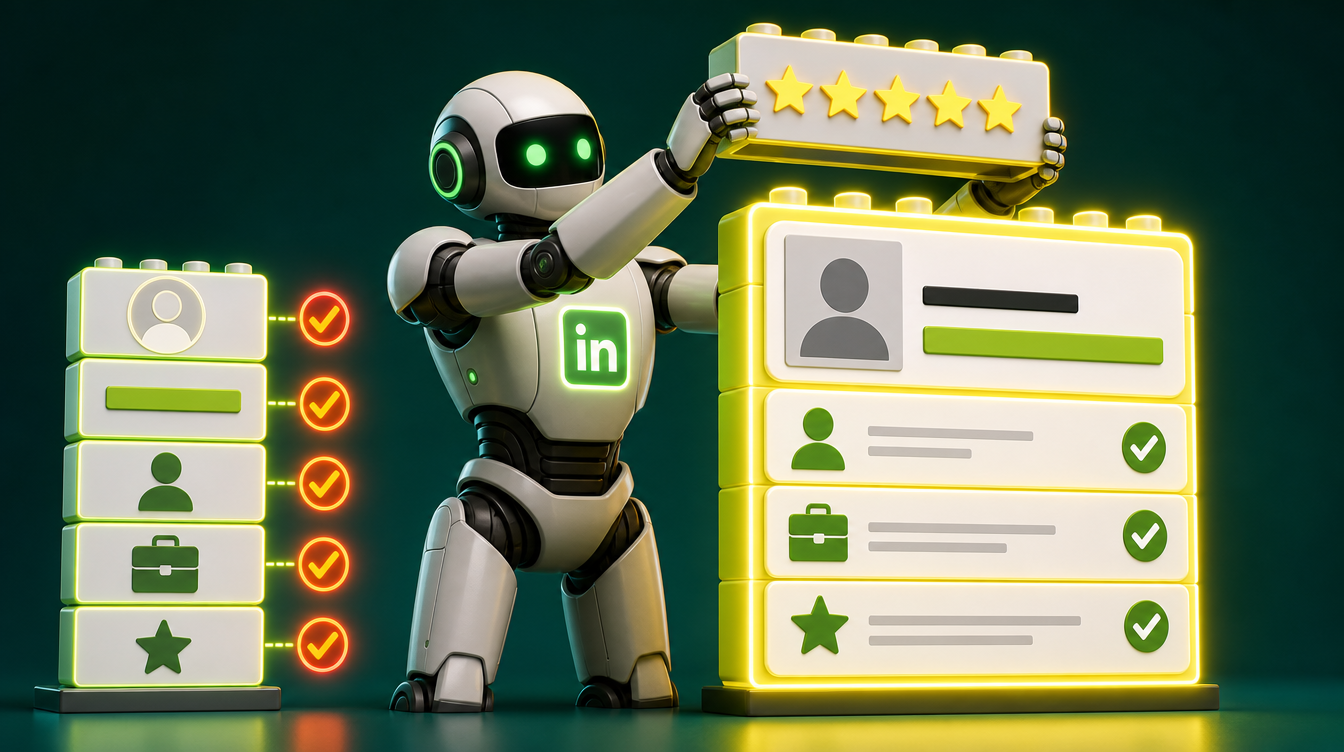
Recruiters check it the same day they read your CV, and an old-story profile quietly contradicts a new-story CV. The LinkedIn Profile Builder rebuilds the profile around the position you are moving toward — headline, about, experience framing — so the two documents tell one story. See the full method in LinkedIn Profile Builder: from invisible to in-demand.
What changes between winging it and running the plan?
| Step | Winging it | Running the plan with skills |
|---|---|---|
| The story | Improvised per application | One positioning, built once with CareerLens |
| The CV | Old title, reworded | Achievements reframed for the target role |
| Still tells the old story | Rebuilt to match the CV exactly | |
| The interview | First run is the real one | Rehearsed against a mock interviewer first |
A career change is not a leap you survive. It is a story you prepare — and the people who prepare the story outperform the people who brave the leap.
How do you keep the switch from stalling after week one?
Run the loop, not the line. The five steps are circular: real applications and real interviews generate the feedback that makes the next CV sharper and the next answer stronger. People who treat step five as optional stay stuck at the same positioning for months; people who iterate every week make the story inevitable. For more on the daily mechanics, see 3 free AI skills to get hired faster.
What does the career-switch stack cost?
The three skills in this plan are free on Mahara AI. Paid skills on the platform start at 499 EGP (about $10), there is a 499 EGP per month claim-and-keep subscription, and every purchase carries a 7-day refund.
FAQs
Can AI help me switch careers?
Yes — specifically with the parts that stall switches: positioning your CV for the new field, rebuilding LinkedIn to match, and rehearsing interview answers out loud. The plan in this article runs on three free skills on Mahara AI.
How do I reposition my CV for a different industry?
Use a CV positioning skill like CareerLens: it reframes your existing achievements in the language of the target role, so recruiters for the new field see relevant evidence instead of a mismatch.
What should I say when interviewers ask why I am changing careers?
A two-sentence answer: the specific reason you are moving toward the new field, and the evidence from your past work that prepared you for it. Build it once, then rehearse it with a mock interviewer until it sounds spoken, not recited.
Should my CV and LinkedIn say the same thing during a switch?
Yes. Recruiters read them the same day; an old-story LinkedIn quietly contradicts a new-story CV. Rebuild both around the same positioning before you apply.
How much do the career-switch skills cost?
CareerLens, the Arabic Interview Coach, and the LinkedIn Profile Builder are free on Mahara AI. Paid skills start at 499 EGP (about $10), with a 499 EGP per month claim-and-keep subscription and a 7-day refund.
The change you keep postponing needs a story, not a leap. Open the Mahara AI skills library, run step one tonight, and give your switch the preparation it deserves.