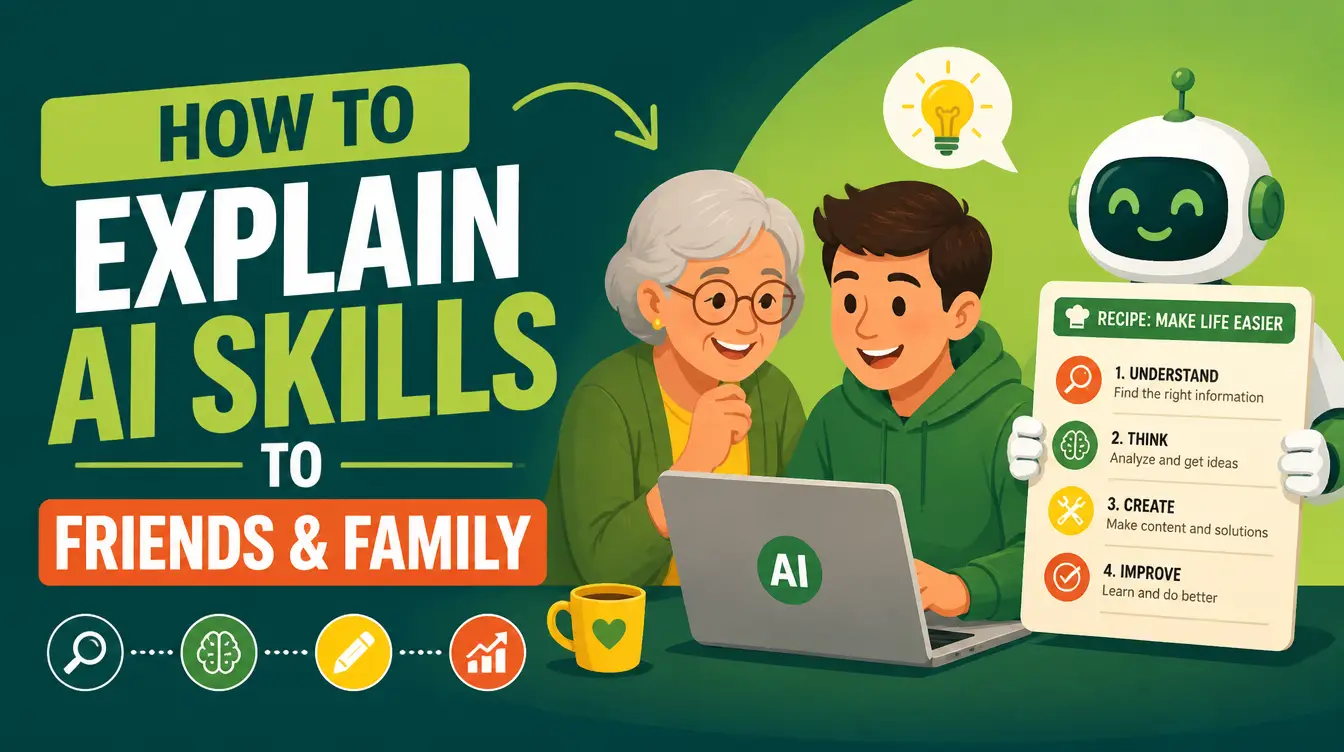
You have seen what AI skills can do, and now you want to explain it to the people around you — your mother, your accountant friend, your cousin who still prints his emails. The challenge: "It's a folder with a SKILL.md file" means nothing to them, and "it's like an app for ChatGPT" is only half true. Here is how to explain AI skills to non-technical friends and family without losing them in the first sentence.
The trick is not more accuracy — it is better analogies. You need three: one for cooks, one for managers, and one for everyone who has ever owned a smartphone. Then you close with a demo, because nobody argues with a demo.
How do you explain it to someone who cooks?
Tell them this: an AI skill is a recipe card for your AI assistant. A talented cook with no recipe will produce something edible but inconsistent. Hand that same cook a great recipe card — ingredients, steps, timing, the tricks that make it work — and the dish comes out right every time. A skill is that recipe card: the instructions, the workflow, and the reference material, written on a file the assistant keeps. The assistant was already smart; the skill makes it reliable.
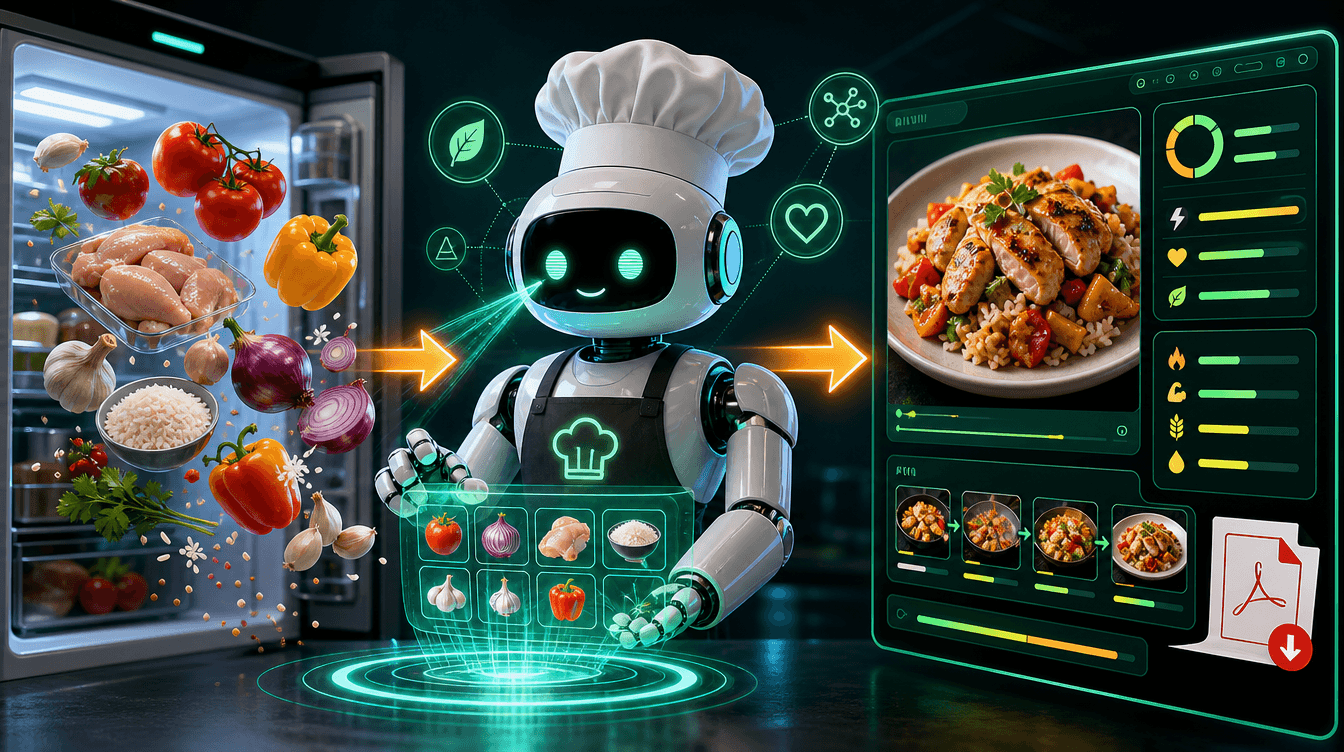
Then make it concrete with a real one. Kitab Mama is the perfect demo for family: say what is in the fridge, and it generates a full recipe with step-by-step instructions, nutritional values, and a printable kitchen PDF — across Egyptian, Levantine, Gulf, and Italian cuisines, and aware of dietary restrictions like vegetarian, halal, and gluten-free. That is a recipe card on a level no human relative can match.
How do you explain it to someone who manages people?
Use the onboarding binder. A brilliant new hire with zero company knowledge is impressive but useless for real work on day one. The onboarding binder — how we do things here, who handles what, the checklists — is what turns intelligence into usefulness. An AI assistant is that brilliant new hire: fast, well-read, clueless about your standards. A skill is the binder. It carries the method: how a contract gets reviewed, how a YouTube video gets packaged, how a price comparison gets built.
Managers get this instantly, because they have all watched a smart hire flounder without documentation — and then thrive once they had it.
How do you explain it to everyone else?
The app install. In 2008, a phone made calls and that was it. One by one, installs changed what it could do: a flashlight, a bank, a guitar tuner. Nobody had to rewrite the phone; they just added capability. AI assistants are having that same moment. Your agent is the phone; a skill is an install that makes it a specialist — a price researcher, a contract reviewer, a YouTube strategist — for as long as you need one. If they want the full version of this story, it is written down in what is an AI skill.
What is the 60-second demo that settles every argument?
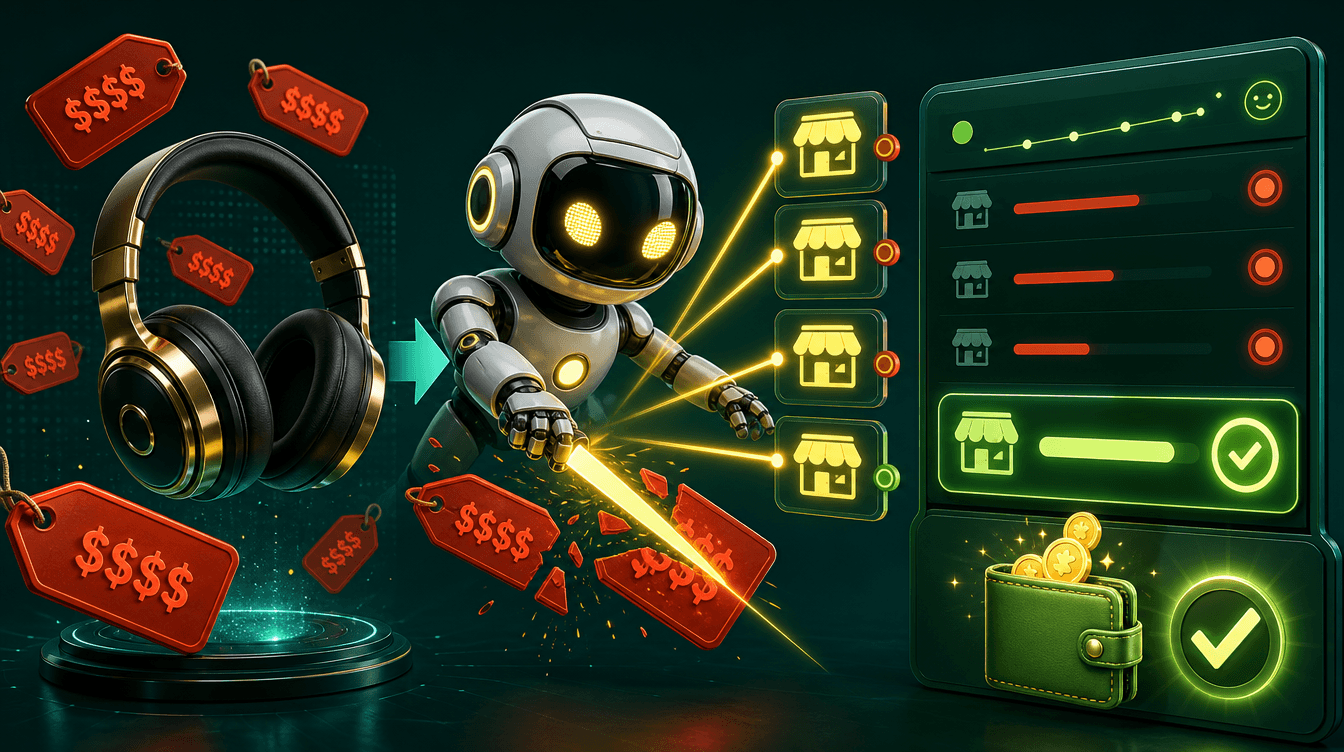
Show, never lecture. Open your assistant, run the Best Price Finder on something they actually want to buy — their next phone, a laptop for their kid. It searches across online stores and local market signals and comes back with a live comparison dashboard: the vendors, the shipping costs, and a clear buy recommendation. The conversation after that is never "does this work?" It is "okay, how do I get this?"
The pattern generalizes: pick the skill that matches something they already care about. The parent gets Kitab Mama. The shopper gets the price comparison. The job-hunting nephew gets a CV coach. Meet their life, not your enthusiasm.
How do you answer the follow-up questions?
| When they say… | You say… |
|---|---|
| "Sounds complicated. I'm not technical." | "You talk to it like a person. The skill does the rest. If you can send a WhatsApp voice note, you can use one." |
| "Isn't this expensive?" | "Some skills are completely free, paid ones start at 499 EGP, and anything you buy has a 7-day refund." |
| "I don't have ChatGPT." | "Skills run in different AI assistants — Claude and Manus, for example. One of them probably fits what you already use." |
| "Is my data going somewhere?" | "A skill is instructions and reference files for the assistant you're already using — you control what you share in the conversation." |
| "Okay… so where do I get one?" | "From a library. Here —" (then send them the link, below.) |
Nobody has ever been persuaded by an explanation of SKILL.md. Everybody has been persuaded by watching dinner get planned in one message.
Where do you send them afterward?
Give them one next step, not five. The download guide at how to download a skill from Mahara AI walks through installing a first skill in minutes, and how AI skills automate your daily work shows the everyday picture — chores handed over, not a futuristic lifestyle. One link, one skill, one win. Let the rest follow.
FAQs
How do I explain AI skills in one sentence?
An AI skill is a recipe card for your AI assistant: instructions, steps, and references it keeps, so it produces expert-level work instead of improvising.
Do people need to be technical to use AI skills?
No. Skills run as normal conversations — you describe the task, the skill supplies the method. Anyone who can use a messaging app can use one.
What is the best way to convince a skeptic?
A live demo on something they care about: run a price comparison before their next purchase, or turn tonight's fridge contents into a full recipe with a printable PDF.
Which assistants support AI skills?
Skills follow an open folder format, so they run in agents that support it — including Claude and Manus. The same skill moves with you between them.
How much does it cost to try AI skills?
Some skills on Mahara AI are free, paid skills start at 499 EGP ($10 USD), and every purchase is covered by a 7-day refund — so trying one costs nothing but curiosity.
Your family dinner table deserves a better conversation than "AI is going to change everything." Show them the library — one skill at a time.